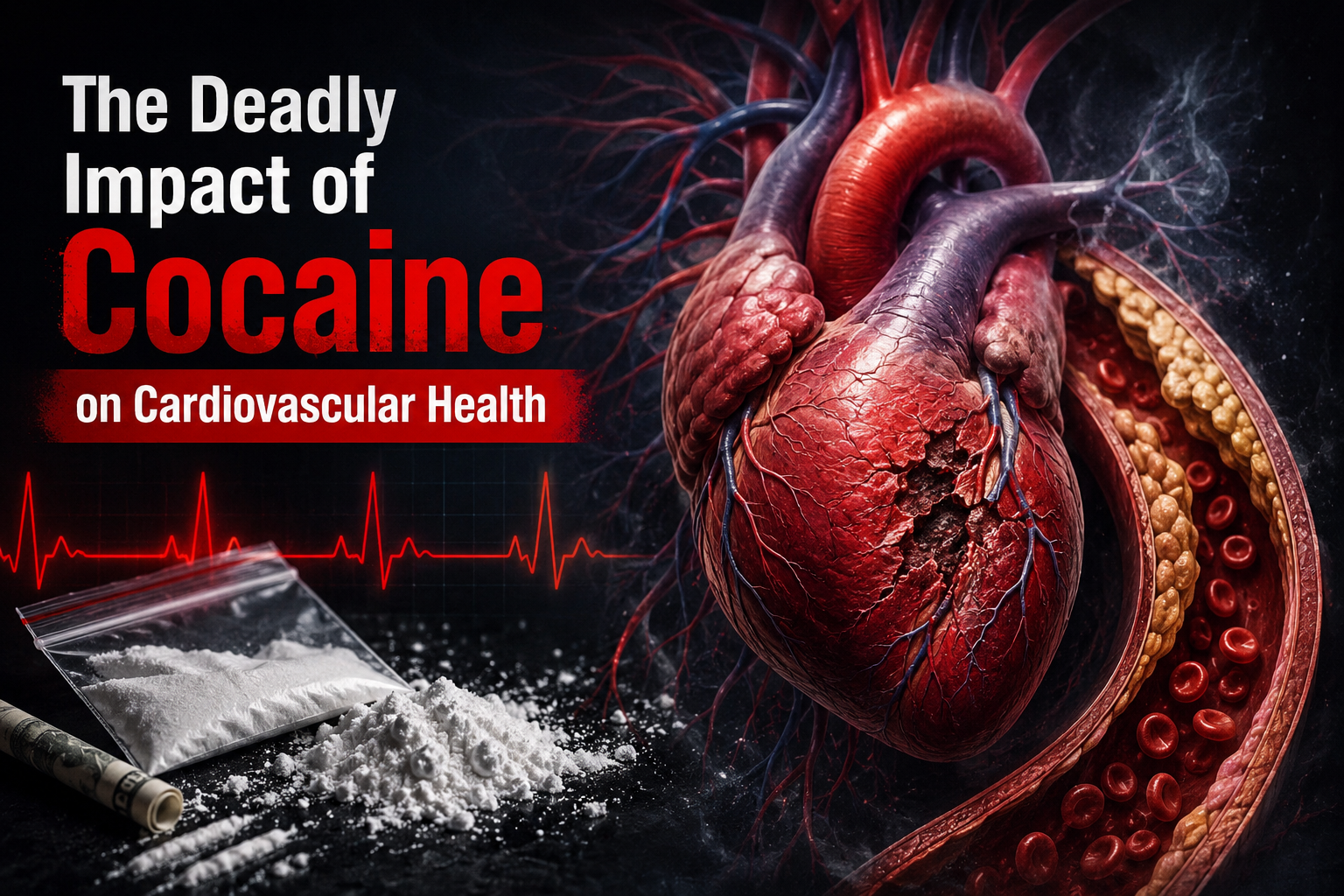
Cocaine is one of the most dangerous illicit drugs in the world, affecting millions of people and causing severe health complications. While many individuals associate cocaine with addiction, behavioral changes, and neurological effects, fewer people fully understand the devastating consequences it can have on the heart and blood vessels. The cardiovascular effects of cocaine are among the leading causes of drug-related medical emergencies and deaths worldwide.
From elevated blood pressure and irregular heart rhythms to heart attacks and strokes, cocaine places immense stress on the cardiovascular system. Even occasional use can trigger life-threatening complications, making it one of the most dangerous substances for heart health.
Understanding How Cocaine Affects the Body
Cocaine is a powerful stimulant that affects the central nervous system. When consumed, it increases the levels of dopamine and other neurotransmitters in the brain, producing intense feelings of pleasure, energy, and alertness. However, these short-term effects come at a significant cost.
The drug causes blood vessels to constrict, increases heart rate, and raises blood pressure. These physiological changes force the heart to work harder while simultaneously reducing the oxygen supply available to cardiac tissue. This combination creates a dangerous environment that can lead to serious cardiovascular complications.
Cocaine and Blood Pressure
One of the most immediate cardiovascular effects of cocaine is a rapid increase in blood pressure.
Blood pressure rises because cocaine stimulates the release of stress hormones such as adrenaline and norepinephrine. These hormones narrow blood vessels and accelerate the heartbeat. As a result, the heart must pump harder to circulate blood throughout the body.
Repeated episodes of elevated blood pressure can damage arterial walls over time. Chronic hypertension caused by cocaine use increases the likelihood of:
- Heart disease
- Stroke
- Kidney damage
- Blood vessel injuries
- Heart failure
Even healthy young adults with no previous cardiovascular conditions can experience dangerous spikes in blood pressure after using cocaine.
Cocaine Heart Damage: A Silent Threat
Many people believe heart damage occurs only after years of drug abuse. Unfortunately, cocaine heart damage can develop much faster than expected.
The drug reduces blood flow to the heart muscle while increasing its oxygen demands. This imbalance can injure cardiac tissue and weaken the heart over time.
Common forms of cocaine-induced heart damage include:
Cardiomyopathy
Cardiomyopathy is a disease that weakens the heart muscle, making it difficult for the heart to pump blood effectively. Long-term cocaine use can enlarge the heart and reduce its efficiency.
Myocardial Injury
Cocaine may directly damage heart muscle cells, causing inflammation and scarring. This damage can become permanent and significantly increase future cardiovascular risks.
Heart Failure
As cardiac damage accumulates, the heart may eventually lose its ability to pump sufficient blood to meet the body’s needs. Heart failure is a serious and potentially fatal condition linked to chronic cocaine abuse.
Cocaine Heart Attack Risk
Perhaps the most alarming danger associated with cocaine is the significantly increased risk of heart attack.
A heart attack occurs when blood flow to part of the heart becomes blocked. Cocaine contributes to this risk in several ways:
- Constricting coronary arteries
- Increasing blood clot formation
- Raising blood pressure
- Accelerating heart rate
- Increasing oxygen demand
What makes cocaine particularly dangerous is that heart attacks can occur even in young individuals with otherwise healthy arteries.
Studies have shown that the risk of heart attack rises dramatically during the first few hours after cocaine use. In some cases, individuals experience fatal cardiac events after using the drug only once.
Cocaine and Arrhythmia
The heart relies on precise electrical signals to maintain a regular rhythm. Cocaine disrupts these signals, increasing the risk of arrhythmia, or abnormal heart rhythm.
Arrhythmias associated with cocaine use may include:
- Rapid heartbeat (tachycardia)
- Irregular heartbeat
- Ventricular fibrillation
- Premature heartbeats
Some arrhythmias are relatively mild, while others can cause sudden cardiac arrest and death.
The danger increases when cocaine is combined with alcohol, other stimulants, or underlying heart conditions.
Cocaine and Stroke
Many people recognize the connection between cocaine and heart attacks but are unaware of its relationship with stroke.
A stroke occurs when blood flow to the brain is interrupted. Cocaine increases stroke risk through multiple mechanisms:
Blood Vessel Constriction
The drug narrows blood vessels supplying the brain, reducing oxygen delivery.
High Blood Pressure
Sudden increases in blood pressure can cause blood vessels in the brain to rupture.
Blood Clots
Cocaine promotes clot formation, which can block cerebral arteries and trigger ischemic strokes.
Because of these effects, cocaine-related strokes can occur even in young adults with no history of neurological disease.
Drug-Induced Heart Problems and Cocaine
Among recreational drugs, cocaine is one of the most strongly linked to cardiovascular emergencies.
Drug-induced heart problems associated with cocaine include:
- Coronary artery spasms
- Heart attacks
- Heart failure
- Arrhythmias
- Sudden cardiac death
- Aortic dissection
Aortic dissection is a particularly severe condition in which the inner layer of the aorta tears. This medical emergency often requires immediate surgery and carries a high mortality rate.
Cocaine Cardiovascular Complications
The cardiovascular complications caused by cocaine are both immediate and long-term.
Short-Term Complications
Shortly after use, individuals may experience:
- Chest pain
- Palpitations
- High blood pressure
- Shortness of breath
- Anxiety
- Rapid heartbeat
Long-Term Complications
Repeated cocaine exposure can lead to:
- Chronic hypertension
- Heart disease
- Cardiomyopathy
- Arterial damage
- Heart failure
- Increased stroke risk
The longer cocaine use continues, the greater the likelihood of irreversible cardiovascular injury.
Cocaine Addiction Effects on Heart Health
Addiction often leads users to consume larger doses more frequently. This pattern greatly amplifies cardiovascular dangers.
As tolerance develops, users may increase their intake in an attempt to achieve the same euphoric effects. Unfortunately, higher doses expose the heart to even greater stress.
The addiction cycle contributes to:
- Progressive heart damage
- Increased heart attack risk
- Worsening blood pressure problems
- Greater likelihood of overdose
- Higher mortality rates
The combination of addiction and cardiovascular injury can create a dangerous downward spiral that becomes increasingly difficult to reverse.
Heart Disease From Cocaine
Long-term cocaine use significantly increases the risk of developing heart disease.
Heart disease from cocaine may include:
Coronary Artery Disease
Repeated vessel constriction and inflammation contribute to plaque formation and arterial narrowing.
Chronic Ischemia
Reduced blood flow can deprive the heart of oxygen over time, weakening cardiac tissue.
Structural Heart Changes
Persistent stimulant exposure can alter the heart’s size, shape, and function.
These changes may continue to progress even after cocaine use stops, especially if severe damage has already occurred.
Cocaine Overdose Symptoms
A cocaine overdose is a medical emergency that requires immediate attention.
Common cocaine overdose symptoms include:
- Severe chest pain
- Extremely high blood pressure
- Rapid or irregular heartbeat
- Difficulty breathing
- Seizures
- Extreme agitation
- Loss of consciousness
- Sudden collapse
In severe cases, overdose can lead to heart attack, stroke, cardiac arrest, or death.
Anyone displaying these symptoms after cocaine use should receive emergency medical care immediately.
Why Even Occasional Use Is Dangerous
One of the biggest misconceptions about cocaine is that occasional use is relatively safe.
In reality, cardiovascular complications can occur after a single dose. Factors such as genetic predisposition, undiagnosed heart conditions, dosage, purity, and concurrent substance use can all influence risk.
There is no guaranteed “safe” amount of cocaine when it comes to heart health.
Even first-time users have experienced:
- Heart attacks
- Arrhythmias
- Stroke
- Sudden cardiac death
This unpredictability is one reason why healthcare professionals consider cocaine among the most dangerous recreational drugs.
Protecting Cardiovascular Health
The most effective way to prevent cocaine-related heart damage is to avoid cocaine use entirely.
Individuals who have used cocaine and experience symptoms such as chest pain, shortness of breath, or heart palpitations should seek medical evaluation promptly.
Healthy lifestyle practices can also support cardiovascular health:
- Regular exercise
- Balanced nutrition
- Blood pressure monitoring
- Smoking cessation
- Stress management
- Routine medical checkups
For individuals struggling with addiction, professional treatment programs can provide essential support and significantly reduce long-term health risks.
Conclusion
The effects of cocaine on the heart are both immediate and potentially devastating. Cocaine heart damage can develop rapidly, increasing the risk of heart attack, stroke, arrhythmia, heart failure, and sudden death. By constricting blood vessels, elevating blood pressure, and disrupting the heart’s electrical system, cocaine places extraordinary strain on the cardiovascular system.
Whether used occasionally or chronically, cocaine poses serious threats to heart health that should never be underestimated. Understanding the cardiovascular effects of cocaine can help individuals make informed decisions and recognize the importance of prevention, education, and early intervention. Ultimately, protecting the heart means avoiding substances that place it at unnecessary risk—and cocaine is among the most dangerous of them all.