In today’s fast-paced world, many people seek quick solutions to increase energy, improve focus, or enhance mood. Amphetamines are among the substances that have gained attention for their stimulating effects on the brain and body. While these drugs can be prescribed for certain medical conditions, misuse and non-medical use have become major public health concerns. Understanding Amphetamine Use Risks is essential for anyone seeking accurate information about the potential consequences of these powerful stimulants.
What Are Amphetamines?
Amphetamines are stimulant drugs that affect the central nervous system. They increase the activity of neurotransmitters such as dopamine and norepinephrine, which play key roles in mood, attention, motivation, and alertness. Certain amphetamine-based medications are legally prescribed to treat conditions such as Attention Deficit Hyperactivity Disorder (ADHD) and narcolepsy.
However, when amphetamines are misused or taken without medical supervision, they can create a temporary sense of euphoria, increased confidence, and heightened energy. These effects often lead users to underestimate the serious health dangers associated with prolonged or excessive use.
Short-Term Effects of Amphetamine Use
One reason amphetamines are frequently abused is the immediate boost they can provide. Users may experience:
- Increased energy levels
- Enhanced concentration
- Reduced fatigue
- Elevated mood
- Increased confidence
- Suppressed appetite
Although these effects may appear beneficial in the short term, they are often accompanied by negative side effects, including:
- Rapid heartbeat
- Increased blood pressure
- Restlessness
- Anxiety
- Irritability
- Insomnia
- Excessive sweating
Even a single high dose can place significant stress on the cardiovascular system and increase the risk of serious complications.
Amphetamine Use Risks for Mental Health
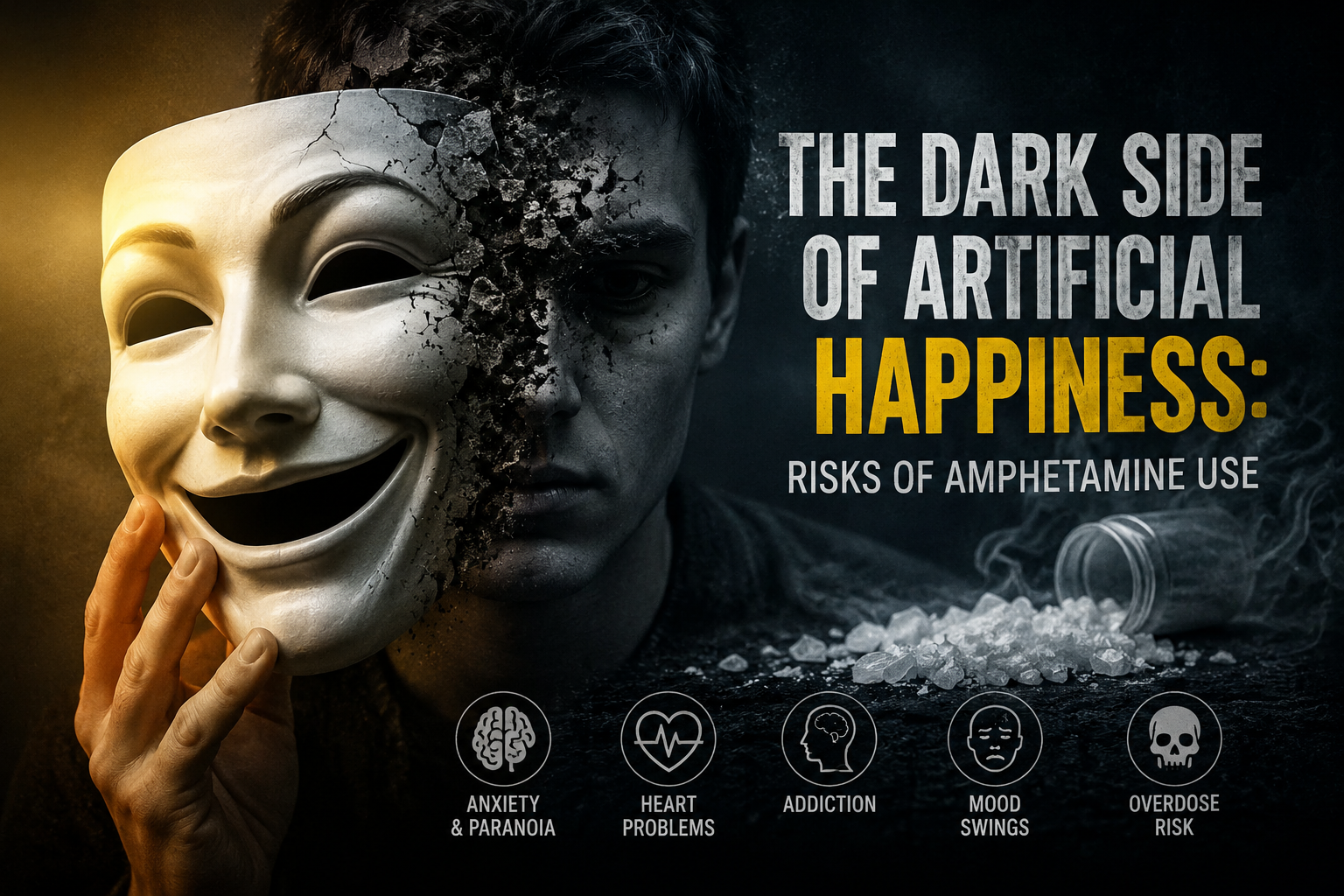
Among the most concerning Amphetamine Use Risks are the effects on mental health. Because amphetamines directly influence brain chemistry, prolonged use can disrupt normal emotional and cognitive functioning.
Common psychological consequences include:
Anxiety and Panic Attacks
Many users experience heightened anxiety as stimulant effects intensify. In severe cases, panic attacks may occur, creating overwhelming feelings of fear and distress.
Paranoia
Long-term amphetamine use can cause individuals to become suspicious of others and develop irrational fears. This paranoia may interfere with relationships, work performance, and daily activities.
Depression
After the stimulant effects wear off, users often experience emotional crashes characterized by sadness, fatigue, and hopelessness. Repeated cycles of use can contribute to chronic depression.
Psychosis
Heavy or prolonged use can lead to amphetamine-induced psychosis, a serious condition involving hallucinations, delusions, and impaired judgment. Symptoms may resemble those seen in severe psychiatric disorders.
Physical Health Consequences
The impact of amphetamines extends beyond the brain. These substances can affect nearly every major organ system in the body.
Cardiovascular Problems
One of the most serious Amphetamine Use Risks involves heart health. Stimulants increase heart rate and blood pressure, placing additional strain on the cardiovascular system. Potential complications include:
- Irregular heartbeat
- Heart palpitations
- High blood pressure
- Heart attack
- Stroke
These risks can affect both long-term users and individuals who consume high doses over a short period.
Sleep Disruption
Amphetamines interfere with normal sleep patterns. Chronic sleep deprivation can weaken the immune system, impair cognitive function, and contribute to mood disorders.
Weight Loss and Nutritional Deficiencies
Because amphetamines suppress appetite, users may experience unhealthy weight loss and inadequate nutrient intake. Over time, this can weaken the body and reduce overall health.
Addiction and Dependence
Perhaps the most significant of all Amphetamine Use Risks is the potential for addiction. Repeated exposure to high levels of dopamine can alter the brain’s reward system, making it increasingly difficult for users to experience pleasure without the drug.
Signs of amphetamine addiction may include:
- Strong cravings
- Loss of control over use
- Continued use despite negative consequences
- Withdrawal symptoms when stopping
- Neglect of personal responsibilities
As tolerance develops, users often require larger amounts to achieve the same effects, increasing the likelihood of severe health complications.
Preventing Harm and Seeking Help
Education remains one of the most effective tools for preventing substance misuse. Understanding the dangers associated with amphetamines can help individuals make informed decisions and recognize warning signs early.
For those struggling with misuse or dependence, professional support is available through healthcare providers, addiction specialists, counseling programs, and rehabilitation services. Early intervention can significantly improve recovery outcomes and reduce long-term health damage.
Conclusion
While amphetamines may provide temporary feelings of energy, focus, and happiness, the reality is far more complex. The numerous Amphetamine Use Risks include mental health disorders, cardiovascular complications, sleep disturbances, addiction, and potentially life-threatening consequences. By increasing awareness of these dangers, individuals can better protect their health and make safer choices regarding stimulant use. True well-being comes from sustainable, healthy habits—not from artificial shortcuts that may carry lasting costs.