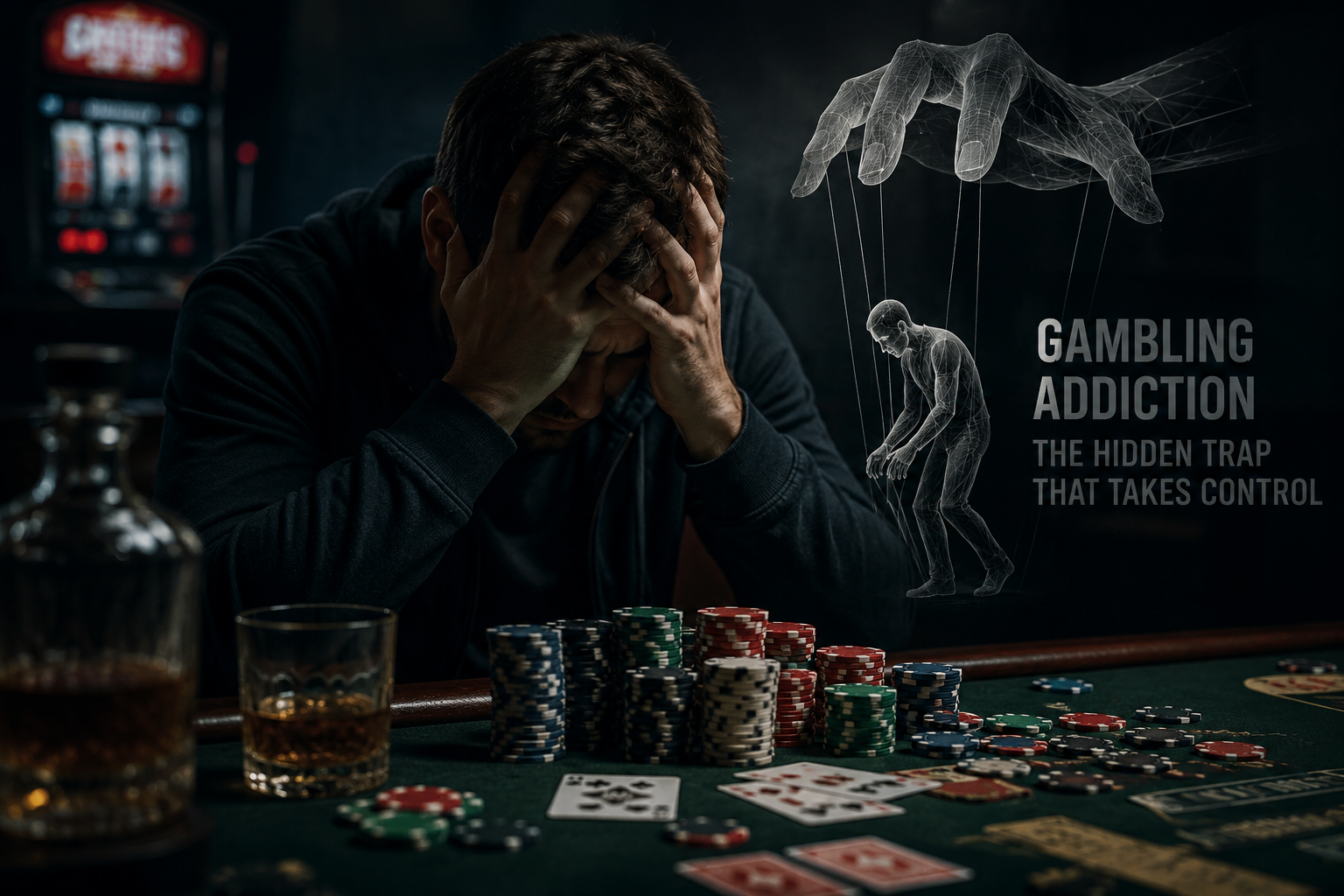
Gambling is often presented as a form of entertainment, offering excitement, anticipation, and the possibility of winning money. While many people gamble occasionally without serious consequences, others may find themselves caught in a cycle that becomes increasingly difficult to escape. Gambling addiction is a growing concern worldwide, affecting individuals from all backgrounds and age groups. What begins as harmless fun can gradually develop into a serious behavioral disorder with devastating consequences for mental health, finances, and personal relationships.
This article explores the nature of gambling addiction, the warning signs to watch for, and the risks associated with compulsive gambling behavior.
Understanding Gambling Addiction
Gambling addiction, also known as compulsive gambling or gambling disorder, is a condition in which a person loses control over their gambling habits despite experiencing negative consequences. Unlike casual gambling, addiction involves an overwhelming urge to continue betting, even when losses accumulate and personal problems worsen.
Research shows that gambling activates the brain’s reward system in a way similar to certain addictive substances. The excitement of winning, combined with the anticipation of future rewards, can encourage repeated gambling behavior and make it difficult for some individuals to stop.
Over time, the desire to recover losses or chase bigger wins can strengthen the addiction, creating a dangerous cycle that affects nearly every aspect of life.
Gambling Addiction Warning Signs
Recognizing gambling addiction warning signs early can help prevent the problem from escalating. Many individuals struggling with gambling addiction may not realize how serious their behavior has become until significant damage has already occurred.
Common warning signs include:
- Constantly thinking about gambling activities.
- Spending more money than originally planned.
- Increasing bet sizes to achieve the same excitement.
- Feeling anxious, restless, or irritable when unable to gamble.
- Chasing losses by continuing to gamble after losing money.
- Borrowing money to support gambling habits.
- Hiding gambling activities from family and friends.
- Neglecting work, school, or personal responsibilities.
- Experiencing financial difficulties due to gambling losses.
- Repeatedly attempting to stop gambling without success.
When several of these signs appear together, they may indicate the development of a serious gambling problem that requires attention and support.
The Risks of Gambling Addiction
The risks of gambling addiction extend far beyond financial losses. While money-related problems are often the most visible consequence, the effects can impact mental, emotional, and social well-being.
Financial Consequences
Financial hardship is one of the most common outcomes of compulsive gambling. Individuals may:
- Accumulate significant debt.
- Drain savings accounts.
- Miss bill payments.
- Sell personal possessions.
- Take out high-interest loans.
- Experience bankruptcy in severe cases.
As losses increase, many gamblers attempt to recover their money through additional betting, which often worsens the situation.
Mental Health Challenges
The connection between gambling addiction and mental health is well documented. Individuals experiencing gambling problems frequently report:
- Anxiety
- Depression
- Chronic stress
- Feelings of guilt and shame
- Low self-esteem
- Emotional instability
The constant pressure of financial losses and secretive behavior can contribute to psychological distress and reduce overall quality of life.
Relationship Problems
Problem gambling often damages relationships with family members, partners, and friends. Trust may erode as individuals hide losses, borrow money, or make promises they cannot keep.
Common relationship issues include:
- Frequent arguments about money.
- Loss of trust.
- Emotional distance.
- Family stress.
- Social isolation.
In many cases, loved ones suffer alongside the person struggling with addiction.
Understanding Problem Gambling Behavior
Problem gambling behavior exists on a spectrum. Not everyone who experiences gambling-related issues is fully addicted, but problematic behaviors can still have serious consequences.
Examples of problem gambling behavior include:
- Gambling to escape stress or negative emotions.
- Spending excessive time thinking about betting opportunities.
- Taking financial risks beyond one’s means.
- Ignoring responsibilities to gamble.
- Feeling unable to stop despite negative consequences.
Identifying these patterns early can help individuals seek support before the situation becomes more severe.
Gambling Addiction Risks in the Digital Era
Modern technology has increased exposure to gambling opportunities. Online platforms, mobile applications, and digital betting services allow users to gamble from virtually anywhere at any time.
These developments have contributed to increased gambling addiction risks due to:
- Easy accessibility.
- Continuous availability.
- Fast-paced betting options.
- Frequent promotional offers.
- Reduced social accountability.
The convenience of online gambling can make it easier for vulnerable individuals to develop unhealthy gambling habits without immediate recognition from friends or family.
Why People Become Addicted to Gambling
Several factors can increase the likelihood of developing gambling addiction:
Psychological Factors
People experiencing anxiety, depression, loneliness, or chronic stress may use gambling as a temporary escape from emotional difficulties.
Biological Factors
Research suggests that genetics and brain chemistry may influence an individual’s susceptibility to addictive behaviors, including gambling.
Social Influences
Peer pressure, family attitudes toward gambling, and exposure to gambling-related advertising can contribute to risky gambling habits.
Financial Motivations
Some individuals mistakenly view gambling as a reliable way to earn money or solve financial problems, which can lead to repeated betting and escalating losses.
Preventing Gambling Addiction
Prevention is often more effective than treatment. Several strategies can help reduce the likelihood of developing gambling problems:
- Set strict financial limits before gambling.
- Treat gambling as entertainment rather than a source of income.
- Avoid gambling when feeling stressed or emotional.
- Balance gambling activities with other hobbies and interests.
- Monitor gambling habits regularly.
- Seek help immediately if warning signs appear.
Education and awareness play a critical role in reducing gambling-related harm.
Seeking Help and Support
Recovery from gambling addiction is possible. Many individuals successfully regain control of their lives through professional support, counseling, support groups, and behavioral therapy.
The earlier treatment begins, the greater the likelihood of preventing long-term financial and emotional damage. Seeking help should be viewed as a sign of strength rather than weakness.
Conclusion
The hidden trap of gambling lies in its ability to transform an enjoyable activity into a destructive addiction. Understanding gambling addiction, recognizing gambling addiction warning signs, and being aware of the risks of gambling addiction are essential steps toward prevention and recovery. By identifying problem gambling behavior early and acknowledging the growing gambling addiction risks associated with modern gambling environments, individuals can make informed decisions and protect their mental, emotional, and financial well-being.
Ultimately, awareness, education, and timely intervention remain the most effective tools in combating the harmful effects of gambling addiction.