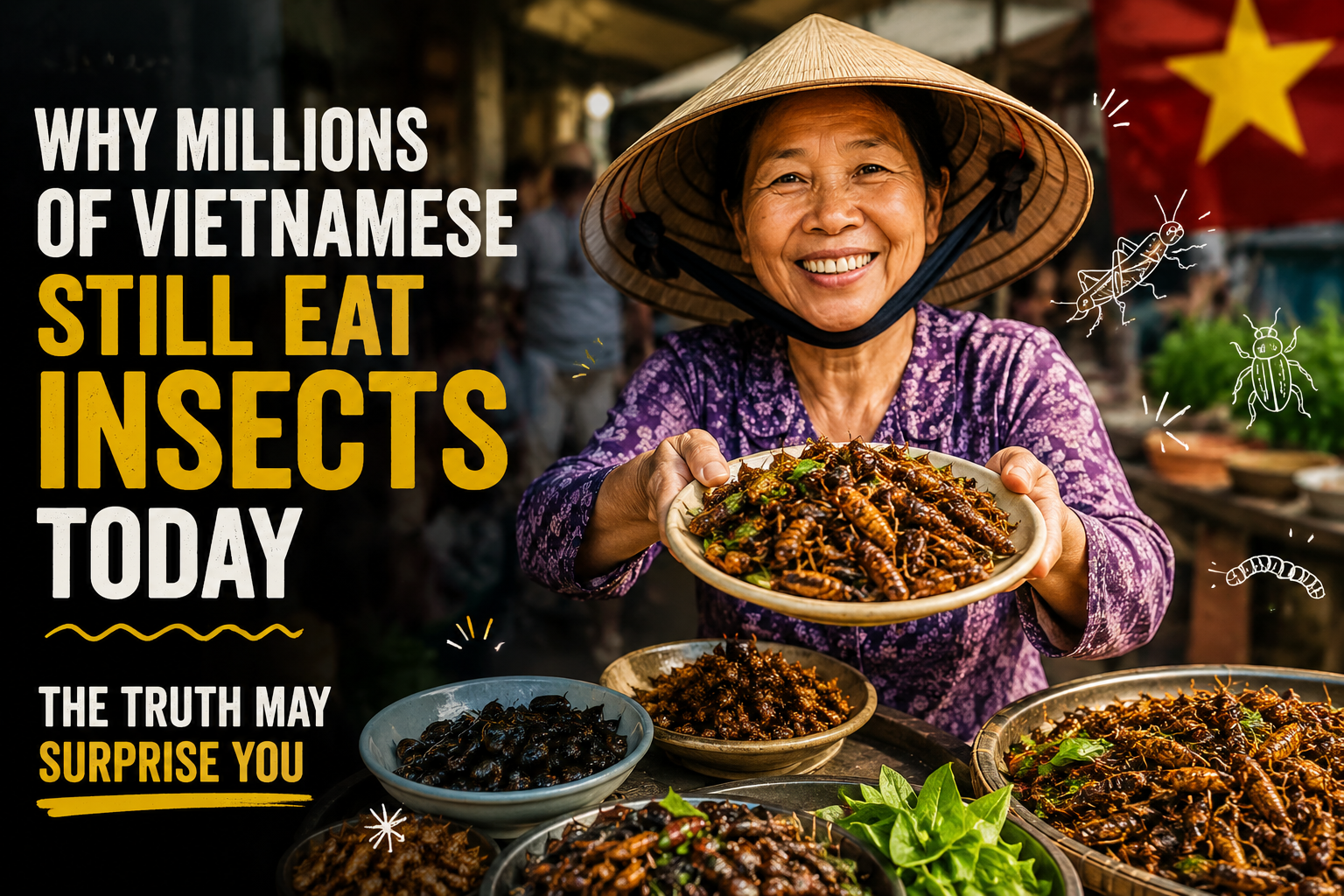
In many parts of the world, the idea of eating insects may seem unusual or even shocking. However, in Vietnam, insects have been a part of traditional cuisine for generations. From rural villages to bustling city markets, edible insects continue to play an important role in local food culture. While modern diets have changed significantly over the years, millions of Vietnamese people still consume insects as a source of nutrition, tradition, and culinary enjoyment.
This practice is not simply a matter of survival or necessity. Instead, it reflects a deep-rooted cultural heritage, a growing interest in sustainable food sources, and the recognition of insects as highly nutritious foods.
The Historical Origins of Eating Insects in Vietnam
The tradition of eating insects in Vietnam dates back centuries. Long before modern agriculture and food distribution systems became widespread, rural communities relied on locally available resources to supplement their diets. Insects were abundant in rice fields, forests, and agricultural areas, making them an accessible food source.
Farmers often collected insects during planting and harvesting seasons. Over time, people discovered that many species were not only edible but also flavorful when prepared correctly. As recipes and cooking techniques were passed down through generations, insect consumption became a respected culinary tradition rather than merely a survival strategy.
Today, many Vietnamese families continue to enjoy insect dishes that have been prepared in similar ways for decades.
Common Insects Eaten in Vietnam
Vietnam is home to a wide variety of edible insects. Some of the most popular include:
Crickets
Crickets are among the most commonly consumed insects in Vietnam. They are often fried until crispy and seasoned with spices, herbs, and sauces.
Grasshoppers
Grasshoppers are widely available in agricultural regions. They are typically deep-fried and served as snacks or side dishes.
Silkworm Pupae
Silkworm pupae are rich in protein and are often boiled, steamed, or stir-fried with vegetables and seasonings.
Bamboo Worms
Considered a delicacy in some regions, bamboo worms have a mild flavor and are frequently fried until golden and crunchy.
Beetles and Water Bugs
Certain species of beetles and giant water bugs are also consumed, especially in traditional dishes that showcase regional specialties.
Nutritional Benefits of Edible Insects
One of the main reasons insects remain popular is their impressive nutritional value.
High Protein Content
Many edible insects contain protein levels comparable to or even higher than beef, chicken, and fish. Protein is essential for muscle growth, tissue repair, and overall health.
Rich in Vitamins and Minerals
Insects provide important nutrients such as:
- Iron
- Zinc
- Calcium
- Magnesium
- Vitamin B12
These nutrients support immune function, bone health, and energy production.
Healthy Fats
Certain insect species contain beneficial fatty acids that contribute to heart health and brain function.
Low Environmental Impact
Compared to traditional livestock farming, insect production requires significantly fewer resources, making it a sustainable source of nutrition.
Cultural Significance in Vietnamese Society
For many Vietnamese people, eating insects is about more than nutrition. It is also a cultural tradition that connects families and communities.
In some regions, insect dishes are associated with seasonal celebrations and local festivals. Families gather to prepare traditional recipes, sharing culinary knowledge that has been preserved for generations.
Markets throughout Vietnam often feature stalls selling edible insects alongside other local foods. Visitors can experience authentic regional cuisine while learning about the cultural importance of these unique dishes.
The continued popularity of insect consumption demonstrates how traditional food practices can remain relevant in a rapidly modernizing society.
How Insects Are Prepared
Vietnamese cuisine is known for balancing flavors, textures, and aromas. Edible insects are prepared using a variety of cooking methods that enhance their taste and appeal.
Deep-Frying
Deep-frying creates a crispy texture that many people enjoy. Fried insects are often seasoned with garlic, chili, and herbs.
Stir-Frying
Some insects are stir-fried with vegetables, lemongrass, and traditional Vietnamese spices.
Roasting
Roasted insects develop rich flavors and can be enjoyed as snacks.
Steaming and Boiling
Silkworm pupae and certain larvae are sometimes steamed or boiled to preserve their natural taste and nutritional value.
These preparation techniques help transform insects into flavorful dishes appreciated by both locals and adventurous travelers.
The Role of Insects in Sustainable Food Systems
As global populations continue to grow, food security has become an increasingly important issue. Experts around the world are exploring alternative protein sources, and edible insects have emerged as a promising solution.
Insects offer several environmental advantages:
Reduced Land Use
Insect farming requires far less land than cattle or poultry farming.
Lower Water Consumption
Producing insects uses significantly less water compared to traditional livestock.
Fewer Greenhouse Gas Emissions
Insects generate fewer emissions, helping reduce environmental impact.
Efficient Feed Conversion
Many insects convert feed into protein more efficiently than larger animals.
These benefits have attracted international attention and have helped increase interest in insect-based foods worldwide.
Tourism and Curiosity
Vietnam’s insect cuisine has also become a point of interest for tourists. Travelers seeking authentic cultural experiences often visit local markets and street food vendors to sample traditional insect dishes.
Many visitors are surprised to discover that insects can be delicious when properly prepared. The combination of crispy textures, savory seasonings, and unique flavors creates memorable culinary experiences.
Food tourism has contributed to greater awareness and appreciation of Vietnam’s diverse culinary traditions.
Misconceptions About Eating Insects
Despite their popularity in many cultures, insects are often misunderstood.
A common misconception is that people eat insects only during times of poverty or food shortages. In reality, insect consumption in Vietnam is deeply connected to cultural traditions and personal preferences.
Another misconception is that insects are unsafe to eat. When sourced and prepared properly, edible insects can be a safe and nutritious part of a balanced diet.
As awareness grows, more people are beginning to recognize insects as a legitimate food source rather than a novelty.
The Future of Edible Insects in Vietnam
The future of insect consumption in Vietnam appears promising. While modern food choices continue to expand, traditional insect dishes remain popular in many communities.
At the same time, growing global interest in sustainable nutrition has increased demand for insect-based products. Researchers, entrepreneurs, and food producers are exploring new ways to incorporate insects into modern diets while preserving traditional culinary practices.
Vietnam is well-positioned to play a leading role in the future of edible insect production and innovation.
Conclusion
The answer to the question “Why Millions of Vietnamese Still Eat Insects Today” lies in a combination of history, culture, nutrition, and sustainability. Insects have been part of Vietnamese cuisine for centuries, providing communities with a reliable and nutritious food source. Today, they remain an important element of the country’s culinary identity while also gaining recognition as an environmentally friendly alternative protein.
Far from being a relic of the past, insect consumption in Vietnam demonstrates how traditional knowledge and modern sustainability goals can work together. As the world searches for innovative food solutions, Vietnam’s long-standing relationship with edible insects offers valuable lessons about nutrition, culture, and the future of food.