
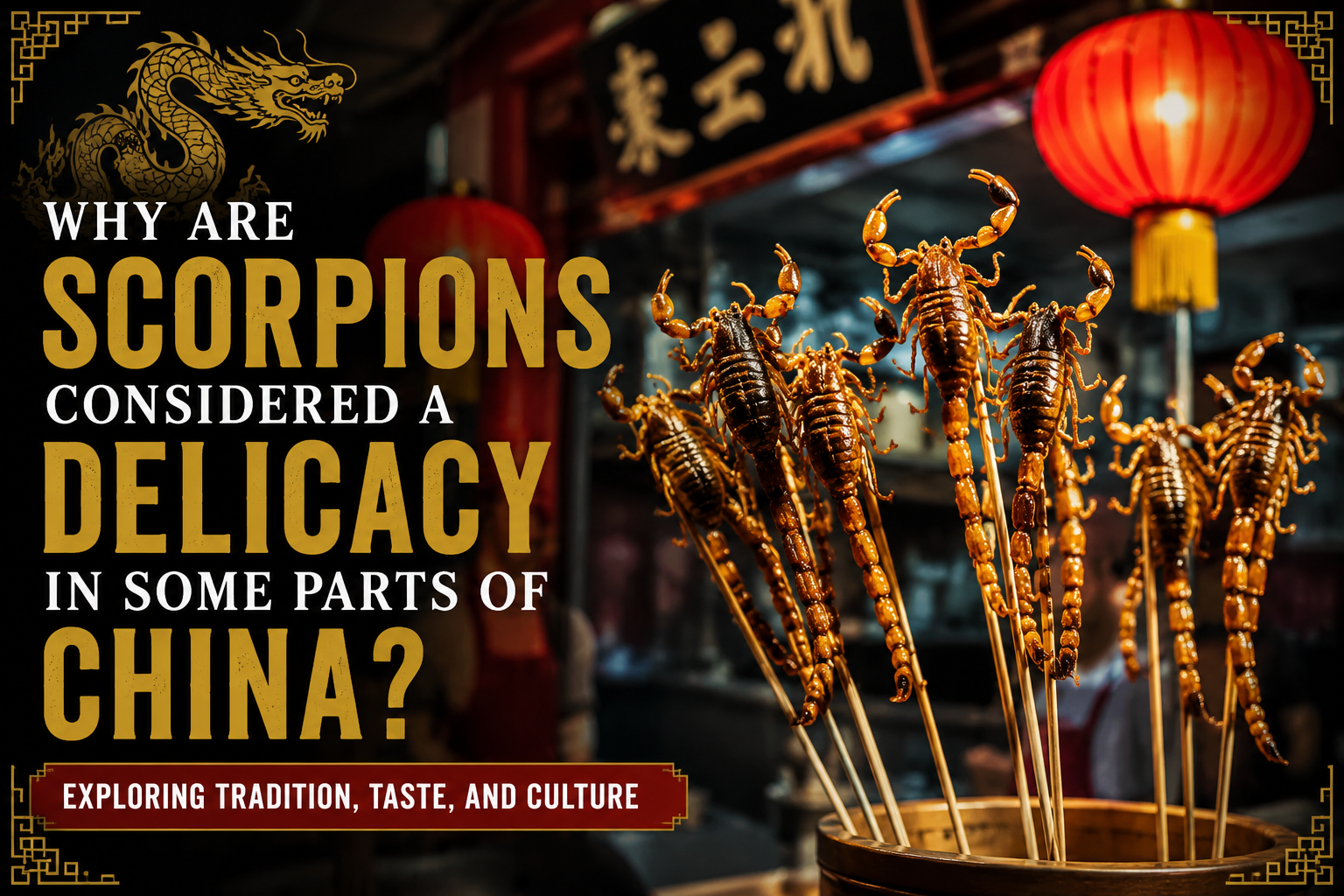
When people think of Chinese cuisine, dishes such as dumplings, noodles, and Peking duck often come to mind. However, China’s vast culinary landscape includes many lesser-known specialties that can surprise visitors from around the world. Among the most unusual is the consumption of scorpions, a practice that has gained international attention due to its unique appearance and cultural significance. While not commonly eaten by the majority of Chinese people, scorpions remain a fascinating street food and traditional delicacy in certain regions.
This article explores the history, cultural importance, preparation methods, and growing curiosity surrounding Scorpions as a Delicacy in China.
The Origins of Eating Scorpions in China
The practice of consuming scorpions has roots in traditional Chinese culture dating back centuries. Historically, scorpions were used not only as food but also in traditional medicine. Ancient practitioners believed that scorpions possessed various medicinal properties and could help address certain health concerns when properly prepared.
Over time, the use of scorpions expanded from medicinal applications to culinary experimentation. In some regions, particularly those known for adventurous street food culture, scorpions became a unique snack enjoyed by locals and curious travelers alike.
Today, eating scorpions is more closely associated with cultural traditions, tourism, and culinary curiosity than with everyday dining.
Where Can Scorpion Dishes Be Found?
Scorpion dishes are most commonly found in night markets and street food districts throughout parts of China. These markets often feature a wide variety of unusual foods designed to showcase regional specialties and attract tourists seeking unique experiences.
Popular tourist destinations have historically displayed skewers of fried scorpions alongside other exotic foods. Vendors present them in visually striking arrangements that immediately capture attention and spark conversations among visitors.
Although these markets have helped popularize the image of scorpion cuisine internationally, it is important to understand that scorpions are not a staple food across China. Many Chinese citizens have never eaten them and may view them as an occasional novelty rather than a regular meal.
How Are Scorpions Prepared?
Preparing scorpions for consumption requires careful handling and proper cooking techniques. The scorpions used for food are typically sourced from farms that raise them specifically for culinary purposes.
The preparation process generally includes:
Cleaning
Scorpions are thoroughly cleaned to ensure food safety and remove impurities.
Skewering
The cleaned scorpions are placed on wooden skewers, making them easy to cook and serve.
Frying
Deep frying is the most popular cooking method. High temperatures create a crispy texture and help eliminate potential risks associated with raw consumption.
Seasoning
Vendors often add spices, salt, chili powder, or other flavorings to enhance taste and create a more appealing snack.
The result is a crunchy food item that many people describe as having a texture similar to crispy shellfish or fried insects.
What Do Scorpions Taste Like?
One of the most common questions asked by tourists is about the taste of scorpions.
The flavor is often described as mild rather than intense. Much of the taste comes from the seasonings and cooking method rather than the scorpion itself. Deep-fried scorpions are typically crunchy and can have a slightly nutty or savory flavor.
Because the texture is often the most noticeable characteristic, many first-time tasters focus more on the experience of eating a scorpion than on its actual taste.
Nutritional Value of Scorpions
Interest in edible insects has increased worldwide due to their nutritional potential. Scorpions contain protein and various nutrients that can contribute to a balanced diet.
Researchers studying edible insects have noted several potential benefits:
- High protein content
- Low environmental impact compared to some traditional livestock
- Valuable amino acids
- Essential minerals and nutrients
While scorpions are not commonly promoted as a mainstream health food, they are part of a broader conversation about alternative protein sources for the future.
Cultural Significance
The popularity of scorpions in certain markets goes beyond nutrition. They represent an important aspect of regional identity and culinary diversity.
For many travelers, trying a scorpion serves as a memorable cultural experience. It allows visitors to step outside their comfort zones and engage with local traditions in a unique way.
The presence of scorpions in food markets also reflects China’s rich history of culinary innovation. Across centuries, different regions developed distinctive food practices based on available ingredients, local beliefs, and cultural influences.
Why Tourists Are Fascinated by Scorpion Cuisine
Social media has played a major role in increasing global interest in exotic foods. Photos and videos of people eating fried scorpions frequently attract attention online, encouraging more travelers to seek out the experience.
Several factors contribute to this fascination:
- Curiosity about unusual foods
- Desire for unique travel experiences
- Interest in local culture and traditions
- Social media sharing opportunities
- Personal challenges and food adventures
For many tourists, tasting a scorpion becomes a memorable story that they share long after returning home.
Conclusion
Scorpions as a Delicacy in China offer a fascinating glimpse into the diversity of Chinese culinary traditions. Although they are not a common part of everyday Chinese diets, they remain an intriguing feature of certain street food markets and cultural experiences. From their historical connections to traditional medicine to their modern role as an adventurous snack, scorpions continue to capture the attention of travelers and food enthusiasts worldwide.
As global interest in alternative foods grows, scorpion cuisine serves as a reminder that culinary traditions can vary dramatically across cultures. Whether viewed as a delicacy, a curiosity, or a symbol of regional heritage, scorpions remain one of the most distinctive and memorable foods associated with China’s rich and diverse food culture.