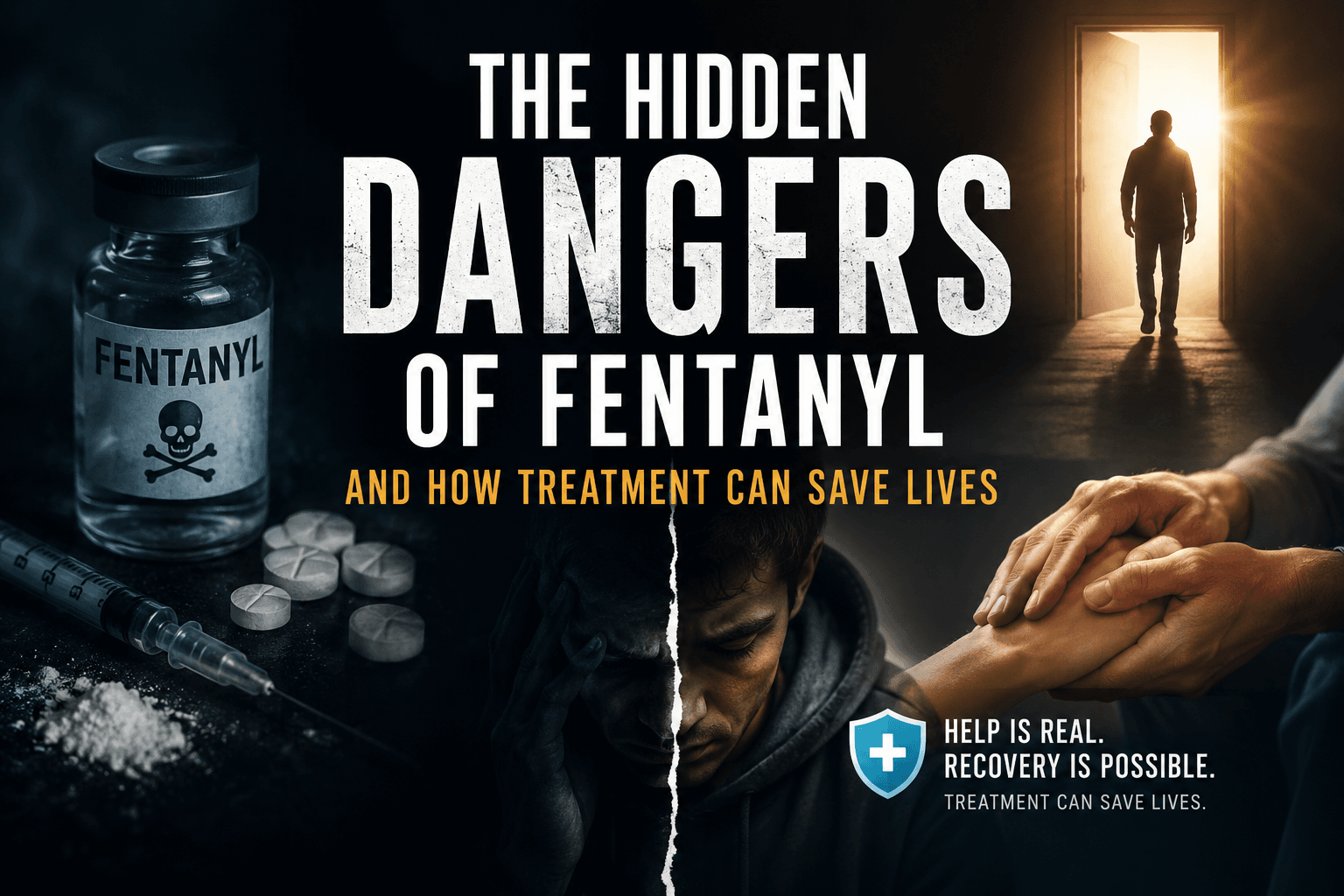
Fentanyl Addiction Treatment has become one of the most critical public health topics in recent years. Fentanyl is a powerful synthetic opioid that is significantly stronger than morphine and many other prescription painkillers. While it has legitimate medical uses for managing severe pain, its misuse has led to a growing number of addiction cases and overdose deaths worldwide.
The good news is that recovery is possible. With the right treatment plan, professional support, and commitment, individuals struggling with fentanyl addiction can regain control of their lives and build a healthier future. Understanding the available treatment options is the first step toward recovery.
What Is Fentanyl?
Fentanyl is a synthetic opioid medication designed to treat severe pain, particularly after surgery or for patients with chronic pain conditions. Because it is extremely potent, even a small amount can have a powerful effect on the body.
When misused, fentanyl produces intense feelings of relaxation and euphoria. These effects can quickly lead to dependence, causing users to develop a strong physical and psychological need for the drug.
Over time, the brain becomes dependent on fentanyl, making it difficult for individuals to stop using it without experiencing severe withdrawal symptoms.
Understanding Fentanyl Addiction
Fentanyl addiction occurs when a person loses control over their drug use despite experiencing harmful consequences. Addiction affects both the brain and behavior, making it a complex medical condition rather than simply a lack of willpower.
Common signs of fentanyl addiction include:
- Strong cravings for the drug
- Increased tolerance requiring higher doses
- Withdrawal symptoms when not using
- Neglecting responsibilities at work, school, or home
- Social isolation
- Financial difficulties caused by drug use
- Continued use despite health problems
Recognizing these warning signs early can significantly improve treatment outcomes.
Why Fentanyl Is So Dangerous
One of the biggest reasons fentanyl is dangerous is its potency. Small dosing errors can lead to overdose, especially when individuals are unaware that fentanyl is mixed into other substances.
Potential dangers include:
Respiratory Depression
Fentanyl slows breathing. In high doses, breathing may become dangerously slow or stop completely.
High Risk of Overdose
Because fentanyl is so powerful, overdose can occur rapidly and unexpectedly.
Physical Dependence
The body can become dependent on fentanyl after repeated use, making quitting extremely difficult without professional help.
Mental Health Effects
Long-term fentanyl use may contribute to anxiety, depression, mood instability, and cognitive difficulties.
These risks highlight the importance of seeking professional Fentanyl Addiction Treatment as soon as possible.
The Importance of Early Treatment
Early intervention can save lives. Many people delay treatment because they fear judgment or believe they can quit on their own. However, addiction often worsens over time without proper care.
Benefits of early treatment include:
- Reduced risk of overdose
- Improved physical health
- Better mental well-being
- Stronger relationships
- Increased chances of long-term recovery
- Lower risk of relapse
Seeking help is a sign of strength, not weakness.
Medical Detoxification
Medical detox is often the first stage of Fentanyl Addiction Treatment.
During detox, healthcare professionals monitor patients while fentanyl leaves the body. Because withdrawal symptoms can be uncomfortable and sometimes severe, medical supervision helps improve safety and comfort.
Common withdrawal symptoms include:
- Anxiety
- Restlessness
- Muscle aches
- Sweating
- Nausea
- Insomnia
- Irritability
- Cravings
Medical detox does not cure addiction, but it provides a safer foundation for ongoing treatment.
Medication-Assisted Treatment (MAT)
Medication-Assisted Treatment is considered one of the most effective approaches for opioid addiction recovery.
MAT combines approved medications with counseling and behavioral therapy.
Common medications may help:
- Reduce cravings
- Minimize withdrawal symptoms
- Lower relapse risk
- Improve treatment retention
- Support long-term recovery
Healthcare providers determine the most appropriate medication strategy based on individual needs and medical history.
Behavioral Therapy and Counseling
Successful recovery often requires addressing the emotional and psychological aspects of addiction.
Behavioral therapies help individuals:
Identify Triggers
Patients learn to recognize situations, emotions, or environments that increase the risk of drug use.
Develop Coping Skills
Healthy coping mechanisms can replace substance use as a response to stress or emotional pain.
Improve Decision-Making
Therapy helps individuals build stronger problem-solving and decision-making skills.
Strengthen Motivation
Counseling encourages personal growth and reinforces recovery goals.
Both individual and group therapy can play valuable roles in the recovery process.
The Role of Family Support
Family involvement can significantly improve recovery outcomes.
Addiction often impacts entire families, creating emotional stress, mistrust, and communication challenges. Family education and counseling can help rebuild healthy relationships.
Supportive family members can:
- Encourage treatment participation
- Provide emotional support
- Help identify relapse warning signs
- Promote accountability
- Create a stable recovery environment
Recovery is often more successful when loved ones participate in the healing process.
Preventing Relapse
Relapse prevention is an important component of long-term Fentanyl Addiction Treatment.
Recovery does not end after detox or initial therapy. Ongoing support is often necessary to maintain progress.
Effective relapse prevention strategies include:
Continuing Therapy
Regular counseling sessions help individuals stay focused on recovery goals.
Building Healthy Habits
Exercise, proper nutrition, and quality sleep contribute to overall well-being.
Avoiding High-Risk Situations
Staying away from environments associated with past drug use can reduce temptation.
Developing a Support Network
Friends, family members, mentors, and recovery groups can provide encouragement during difficult times.
Managing Stress
Learning healthy stress-management techniques helps reduce the urge to use substances.
Life After Recovery
Recovery offers opportunities for personal growth, improved health, and renewed purpose.
Many individuals who complete treatment experience:
- Better physical fitness
- Improved mental clarity
- Stronger relationships
- Career advancement
- Increased self-confidence
- Greater emotional stability
While recovery requires ongoing effort, the benefits can be life-changing.
Each person’s recovery journey is unique, and setbacks do not mean failure. Persistence, support, and professional guidance can help individuals overcome challenges and continue moving forward.
Conclusion
Fentanyl Addiction Treatment provides hope for individuals struggling with one of the most dangerous forms of opioid addiction. Through medical detoxification, behavioral therapy, medication-assisted treatment, family support, and relapse prevention strategies, recovery is achievable.
The risks associated with fentanyl addiction are serious, but effective treatment can save lives. Seeking professional help early increases the likelihood of successful long-term recovery and a healthier future. No matter how difficult addiction may seem, help is available, and recovery is possible for those willing to take the first step toward change.