
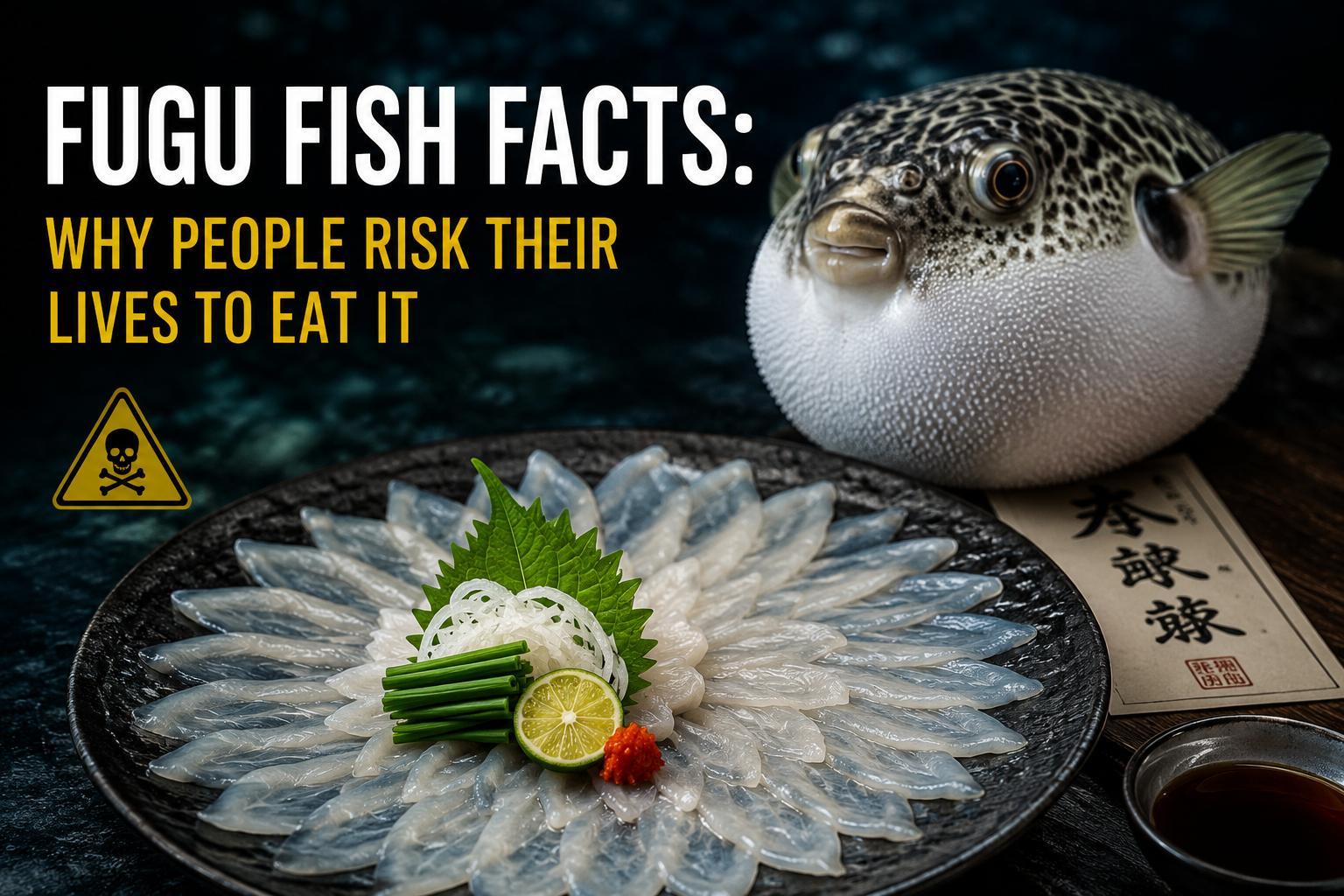
Among the many unique foods found around the world, few are as fascinating and controversial as fugu. Known as pufferfish in English, fugu has earned a reputation as one of the most dangerous foods on Earth. Despite the risks associated with eating it, thousands of people continue to order this famous Japanese delicacy every year.
What makes fugu so special? Why do people willingly consume a fish that can be deadly if prepared incorrectly? The answer lies in a combination of tradition, culinary skill, exclusivity, and human curiosity. In this article, we explore fascinating fugu fish facts and dangers, uncovering why this remarkable seafood continues to attract adventurous diners from around the world.
What Is Fugu?
Fugu is the Japanese name for pufferfish, a type of fish known for its ability to inflate its body when threatened. There are more than 120 species of pufferfish worldwide, but only certain species are used for food.
The fish is easily recognizable due to its rounded body, large eyes, and unique defense mechanism. When facing predators, it fills its stomach with water or air, causing its body to expand dramatically. This makes it difficult for predators to swallow.
Although pufferfish may appear harmless, some species contain one of the most powerful natural toxins known to science.
Why Is Fugu So Dangerous?
The main danger comes from a poison called tetrodotoxin. This toxin is found in various organs of the fish, particularly the liver, ovaries, intestines, and skin.
Tetrodotoxin is extremely toxic and can be hundreds of times more poisonous than cyanide. Even a tiny amount can be fatal.
What makes the toxin especially dangerous is that there is currently no known antidote. Medical treatment focuses on supporting the patient’s breathing and vital functions until the toxin leaves the body.
Because of this risk, preparing fugu requires extraordinary precision and expertise.
The Deadly Power of Tetrodotoxin
Tetrodotoxin affects the nervous system by blocking signals between nerves and muscles.
Symptoms of poisoning may begin within minutes or several hours after consumption. Common symptoms include:
- Numbness around the lips and mouth
- Tingling sensations in the fingers
- Dizziness
- Nausea and vomiting
- Difficulty speaking
- Muscle weakness
- Breathing difficulties
In severe cases, paralysis can occur while the victim remains conscious. Without immediate medical assistance, respiratory failure may become life-threatening.
This terrifying possibility is one reason why fugu has gained worldwide attention.
How Do Chefs Prepare Fugu Safely?
Japan has some of the strictest food safety regulations in the world regarding fugu.
Chefs who wish to prepare fugu must undergo years of training and pass difficult examinations. These tests evaluate both theoretical knowledge and practical skills.
During preparation, chefs carefully remove the toxic organs without contaminating the edible portions of the fish. Even a small mistake could pose serious health risks.
Licensed fugu chefs are highly respected professionals due to the precision required to handle this dangerous ingredient safely.
Their expertise is one of the main reasons why serious poisoning cases have become much less common in modern restaurants.
Why Do People Risk Their Lives to Eat Fugu?
One of the most interesting fugu fish facts is that the danger itself contributes to its popularity.
Many people are naturally attracted to rare and exclusive experiences. Eating fugu offers a sense of excitement that few other foods can provide.
For some diners, ordering fugu is similar to participating in an extreme adventure. They know the fish has a dangerous reputation, yet they trust the chef’s skill and enjoy the thrill of trying something extraordinary.
Others simply appreciate its delicate texture and subtle flavor.
In Japan, fugu is often viewed as a luxury dish associated with special occasions and fine dining experiences.
What Does Fugu Taste Like?
People who have eaten fugu often describe its flavor as mild and delicate rather than intensely flavorful.
The texture is usually considered the main attraction. Thin slices of raw fugu, known as fugu sashimi, are carefully arranged into beautiful patterns resembling flower petals.
The fish is also served in hot pots, fried dishes, soups, and grilled preparations.
Many diners believe the experience, presentation, and rarity of the fish are just as important as the taste itself.
Fascinating Fugu Fish Facts
1. Fugu Can Inflate Like a Balloon
Pufferfish are famous for their ability to expand dramatically when threatened. This defense mechanism helps protect them from predators.
2. Not All Pufferfish Are Equally Toxic
Some species contain higher toxin levels than others. The amount of toxin can also vary depending on diet and environment.
3. The Toxin Is Not Produced by the Fish
Scientists believe tetrodotoxin originates from certain bacteria in the marine food chain rather than being naturally produced by the fish itself.
4. Fugu Is Considered a Luxury Food
High-quality fugu meals can be expensive, especially in prestigious restaurants.
5. Japan Consumes Most of the World’s Fugu
Although pufferfish exist worldwide, Japan remains the center of fugu culture and consumption.
6. The Emperor of Japan Is Forbidden from Eating It
Due to safety concerns, members of the Japanese Imperial Family are traditionally prohibited from consuming fugu.
Where Is Fugu Most Popular?
Fugu is most strongly associated with Japan, particularly in regions such as Shimonoseki, often called the country’s fugu capital.
Restaurants specializing in fugu attract both locals and international tourists eager to try the famous delicacy.
The fish has also gained popularity in some other countries, though regulations vary widely. In many places, strict import and preparation rules are enforced to protect consumers.
Are Fugu Poisonings Still Common?
Modern food safety standards have significantly reduced the number of fatal incidents.
Most serious poisoning cases today occur when unlicensed individuals attempt to catch and prepare the fish themselves. Professional restaurants generally maintain excellent safety records thanks to strict regulations and extensive chef training.
Nevertheless, authorities continue to monitor the industry closely because the potential risks remain very real.
The Cultural Significance of Fugu
Beyond its culinary appeal, fugu holds cultural importance in Japan.
For centuries, it has symbolized courage, skill, and respect for nature. The fish reflects the Japanese appreciation for craftsmanship and precision.
Dining on fugu is often seen as more than simply eating a meal. It is an experience that combines tradition, artistry, and trust in the chef’s expertise.
This cultural value helps explain why the dish remains popular despite its dangerous reputation.
Conclusion
Few foods capture the world’s imagination quite like fugu. From its remarkable ability to inflate itself to the deadly tetrodotoxin hidden within its organs, the pufferfish is truly one of nature’s most extraordinary creatures.
While the dangers are real, strict regulations and highly trained chefs have made fugu consumption far safer than many people realize. Still, the fish retains an element of mystery and excitement that continues to attract adventurous diners.
These fascinating fugu fish facts and dangers reveal why people remain willing to take the risk. For some, it is the thrill. For others, it is the tradition, craftsmanship, and prestige. Whatever the reason, fugu remains one of the most famous and intriguing delicacies in the world.